Pages

Thursday, 27 December 2018

Summer learning journey week 2 day 5 activity 1.


DAY 5: Wasting Away


Activity 1: Off the Menu [4 points]
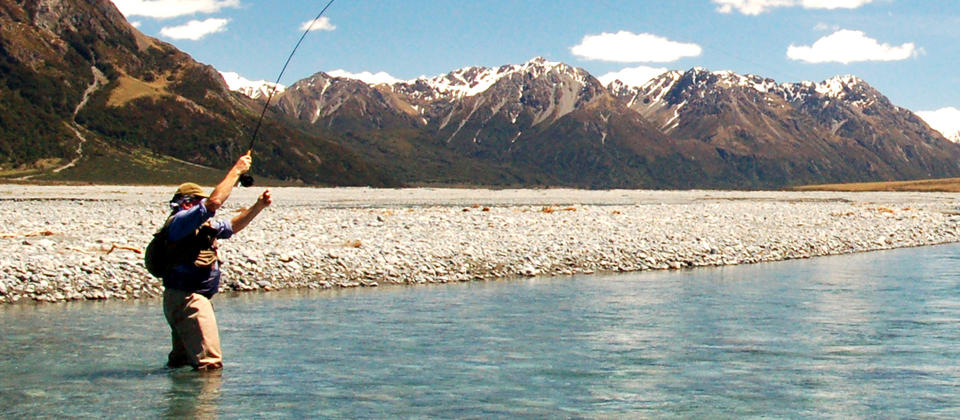
Fishing is a really common activity in New Zealand. In fact, people have fished in New Zealand for centuries. Unfortunately, over the past few decades, some people have caught too many fish in one area and left the region without enough fish to refill (replenish) the stocks. When this happens we call the area ‘overfished’ and it is closed to all private and commercial fishing. If people are caught fishing in these areas, they are required to pay a fine (money). The maximum fine for fishing in a restricted area is $100 000.
What do you think about this rule? Is it fair that people are charged up to $100 000 for overfishing?

On your blog, tell us what you think about this rule and why you think it!.

I think this rule is fair because they really know they a not allow to fish at that area so they shouldn't. If they did not listen to the rule and they should pay the $ 100 000

Wednesday, 26 December 2018

Summer learning journey week 2 day 4 activity 2.

Activity 2: It’s All in the Name [4 points]
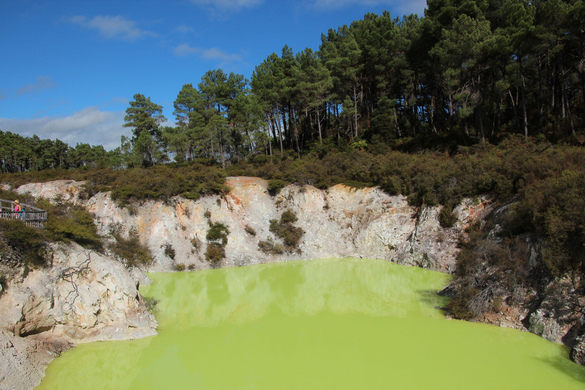
Rotorua is one of New Zealand’s most popular tourist destinations. It is a city filled with incredible forests, mountain biking tracks, lakes, and geothermal wonders, including hot springs (geysers) and mud pools. One of the most famous geothermal pools is called the Devil’s Bath at Wai-o-Tapu Thermal Wonderland. It is a neon green pool of stinky water.
Over the years, people have suggested that we come up with a new name for the pool. What do you think we should call it? Take a minute to let your creative juices flow.

On your blog, give us a list of three to five options for the name of this geothermal pool. Put a star (*) beside the name that you like the most.

1.Stink pool
2. Boiled pool
3. Fiery pool
4.Thermal pool
5. Lave pool

Summer learning journey week 2 day 4 activity 1.

Activity 1: Planes, Trains and Automobiles [4 points]
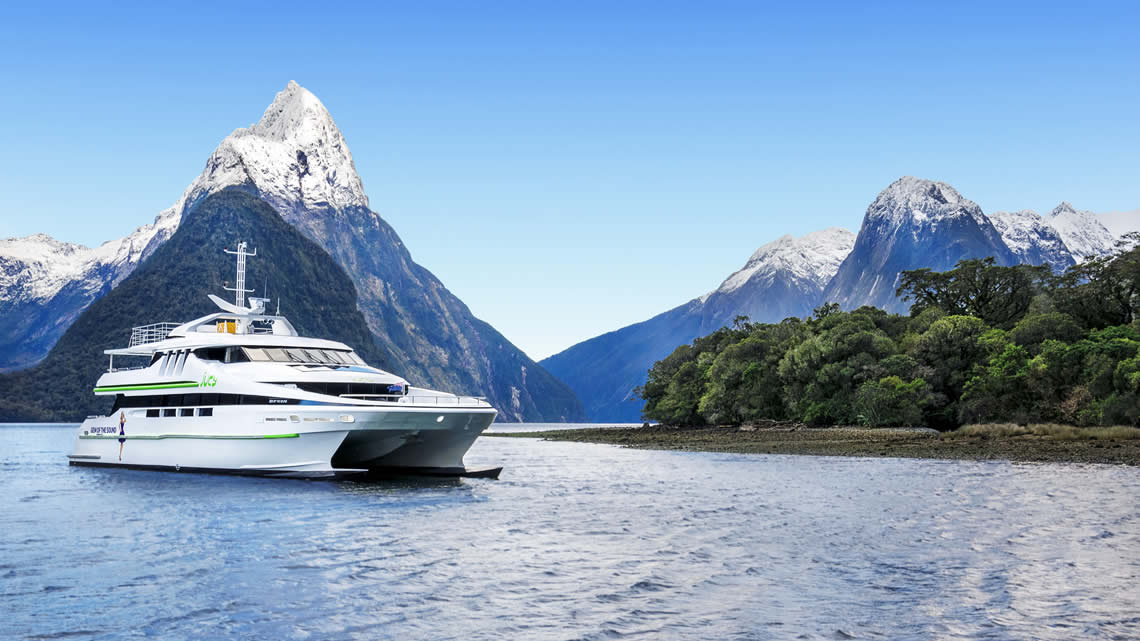
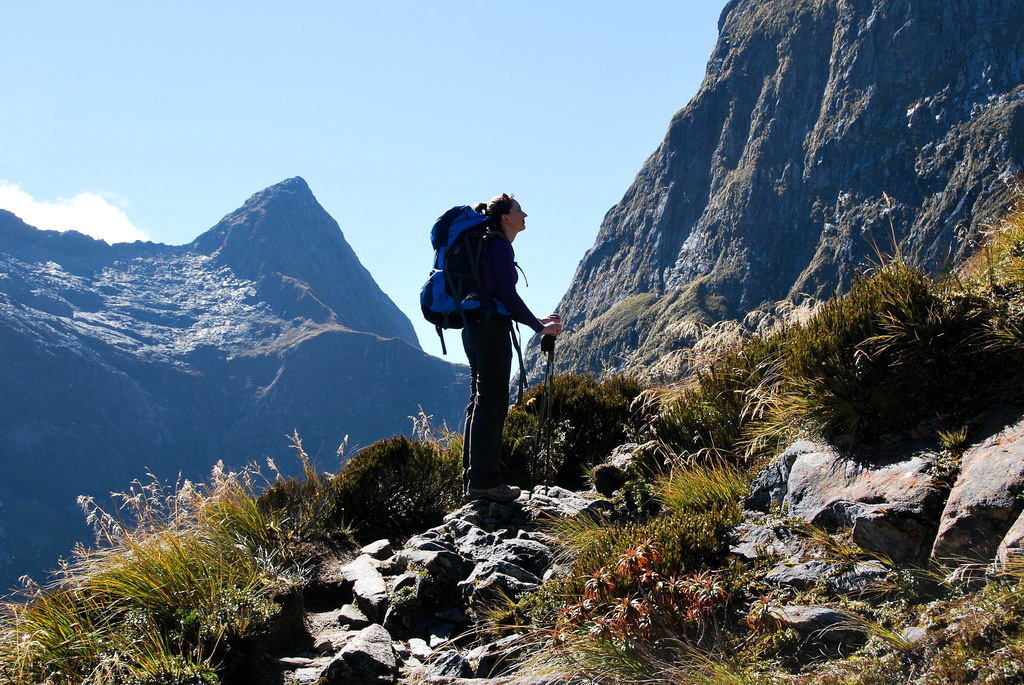
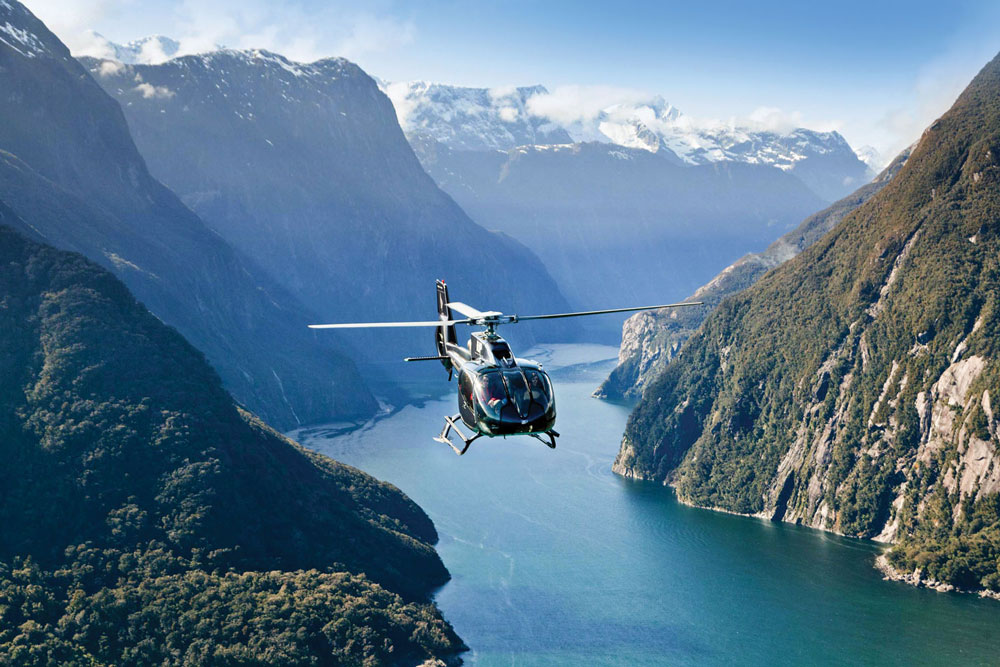
Arguably, one of the most dramatic and spectacular (beautiful) places to visit in New Zealand is Milford Sound. It has been referred to as the ‘eighth wonder of the world.’ It is a beautiful fiord (steep valley) that was formed when big pieces of ice (glaciers) melted. The melted glaciers created a beautiful river that is surrounded by dramatic cliffs and snow-capped mountains. People who visit Milford Sound are able to take a boat cruise through the middle of the fiord, walk around the area on the Milford Track or fly above the fiord as part of a private helicopter tour.
Let’s imagine that you had the chance to visit Milford Sound by boat, foot (walking) or air (helicopter). Which option would you prefer?
On your blog tell us which of the three options you would take to explore Milford Sound. Be sure to tell us why you have chosen this option.

I would choose to go on a helicopter.
I choose to go on a helicopter because it looks like that you can have fun there and also I would go on a helicopter because I haven't been on one.

Tuesday, 25 December 2018

Summer learning journey week 2 day 3 activity 3.

Activity 3: The Midnight Zone [10 points]

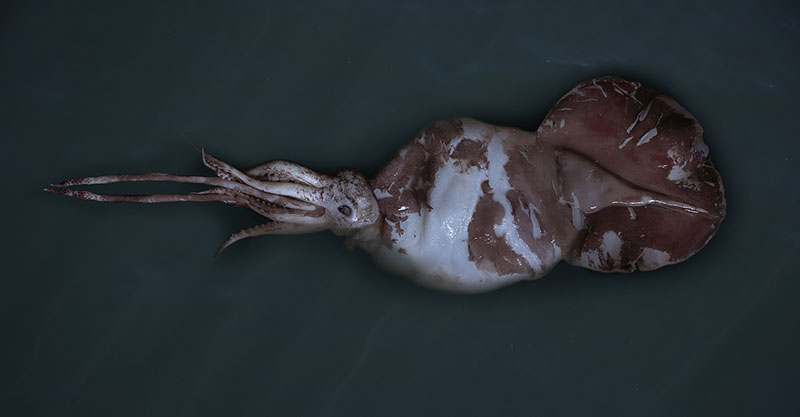
One of these creatures is called the ‘Colossal Squid.’ A colossal squid can weigh as much as 495 kilograms (kg)! Here in New Zealand, we have a full sized colossal squid on display at
Te Papa Museum in Wellington. It is the only specimen of its kind in the entire world! This squid weighs approximately 500 kg. In 2018, a team at Te Papa decided to move the giant squid from one area of the museum to another. Deep in the ocean, far below the surface, lies an area called the ‘Midnight Zone.’ It is called the midnight zone because it is always dark or ‘pitch black’ in this area. Much of the deep sea has yet to be explored by humans, however, we do know a little bit about the creatures that live here.

Let’s imagine that the average adult can lift 25 kg and the average child can lift 15 kg. How many adults and children will it take to move the giant squid into its new room at Te Papa? [Note: There is more than one right answer to this question.
10 Adults and Children each, 10x25kg = 250kgs, 10x15kgs 150kgs. 250kgs+150kgs = 400kgs.Then add 4 more adults(25kgs) to make another hundred so the total would be

14 Adults 
10 Children 

Summer learning journey week 2 day 3 activity 2.

Activity 2: A Local Delicacy [4 points]

Whitebait is a very special fish in New Zealand. It is rumoured (believed) to be a very delicious fish. Some restaurants in New Zealand make dishes that feature whitebait, including whitebait fritters. Have you ever tried whitebait fritters? They are a favourite dish of many of my friends. I, personally, prefer foods from places like Mexico and Italy. Pizza and nachos are two of my all-time favourite foods! In fact, I often make homemade pizza with Aronui on Friday nights using the same ingredients (pizza base, tomato sauce, mozzarella cheese, sun-dried tomatoes, chicken, red onion, basil and feta cheese) each time.
For this activity, please choose a favourite food and find a recipe for it.

On your blog, share a list of the ingredients that you need to make this food. You must type out the list of ingredients yourself (and not simply copy and paste it from a website) to earn full points.
list of ingredients -
flour
eggs
vegetables
water.

Summer learning journey week 2 day 3 activity 1.

DAY 3: First You ‘Sea’ Me, Now You Don’t…


Activity 1: Night Owls [4 points]
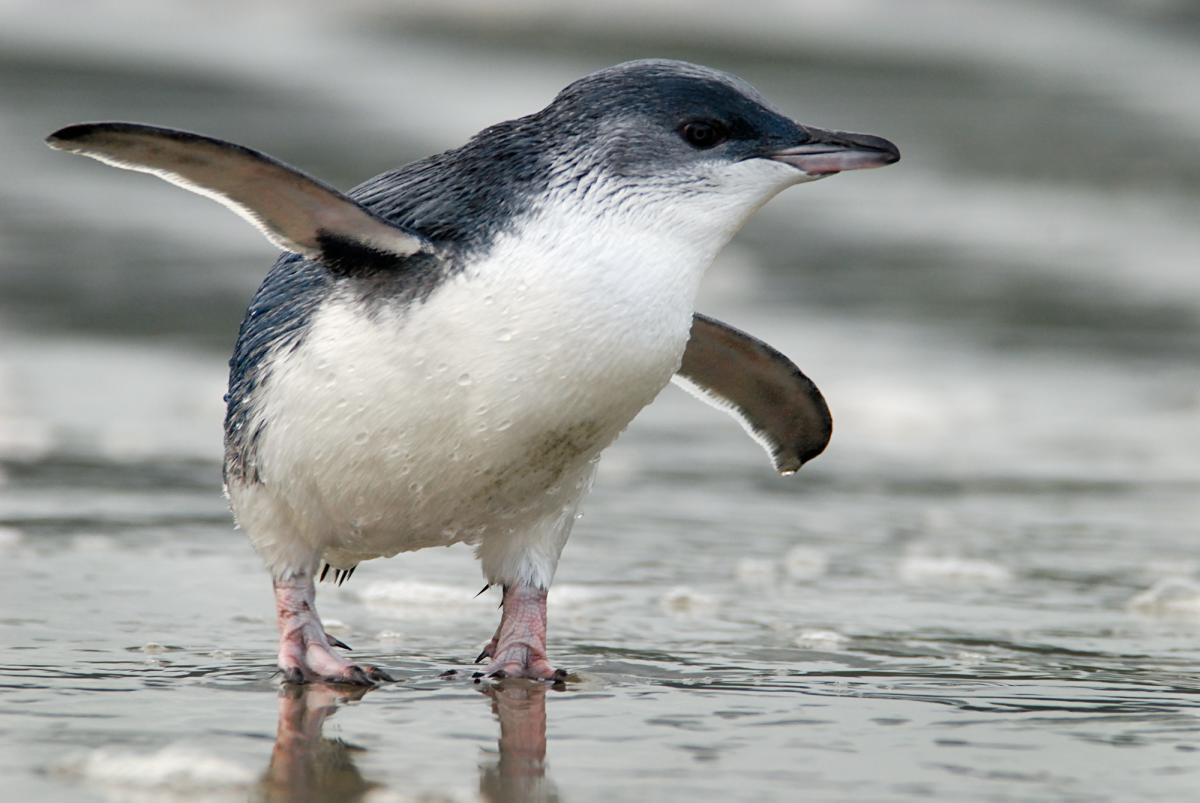
Here in New Zealand we have many amazing and unique sea creatures, including penguins. The blue penguin, or kororā, is particularly special because it is the smallest penguin in the entire world! Blue penguins are typically found on the east coast of the South Island in places like Oamaru but they can be hard to spot as they rarely leave the water. If they do come onto land it is usually at night, when most of us are sound asleep! That’s because they are nocturnal. Not all of us, however, sleep all night. In fact, some people love to stay awake late into the evening. People who like to stay up late are called ‘night owls.’ Are you a night owl or are you an early riser, like me? I typically wake up every day around 6:00 a.m. and jump out of bed, ready to start the day!
On your blog, tell us whether you are a night owl or an early riser. Then, tell us about the rest of your family. Are they the same as you?.
I am a night owl and the rest of my family but younger brother Christopher wakes up early.

Summer learning journey week 2 day 2 activity 3.


3 Similarities with the Sidesaddle Arnoldi and the venus flytrap.
1. They both found in forest and wet.  
2. They both need water.
3. they both alive

3 different with the Rafflesia Arnoldi and the venus flytrap.
1. both live in a different area 
2. they both different size 
3. the flytrap eat insects and small animal.