Pages

Wednesday, 2 January 2019

Summer learning journey week 3 day 4 activity 1.

DAY 4: Like a Scene Out of a Movie

Activity 1: The Southern Lights [4 points]

For this activity, you are to write a short acrostic word poem about the beautiful lights. Hazel has written an acrostic poem about summer to give you an example.
S - Sun outside,
U - Umbrellas in the sand.
M -  My friends and I, having fun,
M - Making sandcastles,
E - Enjoying ice cream on a hot day,
R - Racing to the beach!
On your blog, use the word ‘LIGHTS’ to write an acrostic poem about the Southern Lights. Be as creative as you can!
L - Light and shine
I - I was playing with my friend
G - Going to come in the next holiday
H - How was your day?
T - They watch us playing before
S - Some people leave before us.

Tuesday, 1 January 2019

Summer learning journey week 3 day 3 activity 3.


Summer learning journey week 3 day 3 activity 2.

Activity 2: Flying Foxes [4 points]


On your blog, tell us what superpower you would like to have and why you’d like to have it.

If I had a superpower it would be Goku's superpower. I want Goku's superpower because he is a really good fight. My favourite thing about Goku's does is a kamehameha also, I want his power to protect my family and my friend.

Summer learning journey week 3 day 3 activity 1.

DAY 3: Taking Flight

Activity 1: Bird of the Year! [4 points]
Aotearoa New Zealand is home to many different kinds (species) of native birds.  Sadly, about a third of our native bird species are at risk of disappearing forever (becoming extinct).
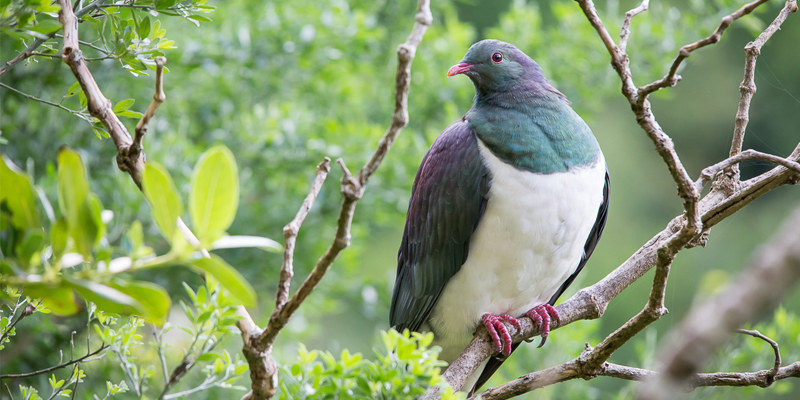
Each year, Forest and Bird New Zealand hold a ‘Bird of the Year’ competition where people can vote for their favourite native bird. This year, the winner was the kererÅ« (or woodpigeon).
Go onto the Bird of the Year website, look through the native birds on the site, and choose one that interests you.
On your blog, write a short description of your bird. Where does your bird normally live? What does your bird normally eat?  Post a picture of the bird underneath your description. Be sure to attribute your picture properly.
I have chosen Tui. Tui is found through much of New Zeland, particularly the North Island. Tui flying in a fashion that suggests that they might be a dunk.

Summer learning journey week 3 day 2 activity 3.

Activity 3: Flying Fungi [10 points]


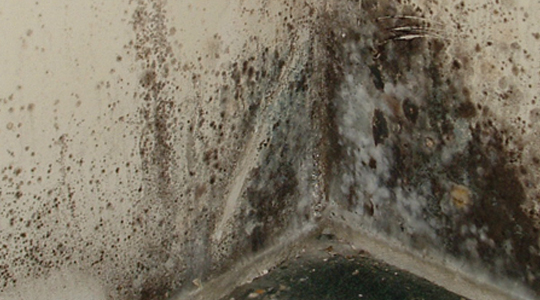
In the middle of winter it can get quite wet and damp in New Zealand, can’t it? When it gets really damp, it is common for things like mould and fungi to start to grow. We can often see them on the walls, ceilings or floors of our houses or outside on footpaths, buildings or roadways. Some types of mould and fungi are so small that they can’t be seen. Some of these tiny fungi/mould can be found in the air. They are called ‘airborne fungi’ and they can be unhealthy for us.
Let’s imagine that we tested the air in your classroom and found 7 different kinds of mould. Eek! The cleaner says that it takes 5 days for each mould to be eradicated (removed). If the school had to remove each mould one at a time, how long would it take to remove all the mould from the classroom?

On your blog, tell us how you would solve this tricky maths problem. Be sure to also post your final answer in days or weeks.
I would do 5 x 5 = 25 and 2 x 5 = 10 then 25 + 10 = 35.

Summer learning journey week 3 day 2 activity 2.

Activity 2: Carbon Sinks Don’t Stink! [4 points]

Every day a chemical compound called carbon dioxide (CO2) is produced and released into the air.  If it isn’t removed, it can become toxic for humans. Fortunately, there are a number of places where CO2 is absorbed (removed from the air). Two of the most common places are forests and oceans. They are called ‘carbon sinks’ because, like a sink, they gather, clean and drain things away that we don’t want. One of the largest carbon sinks in New Zealand is a forest in the south-western part of the South Island. It drains away 60% of our unwanted carbon!
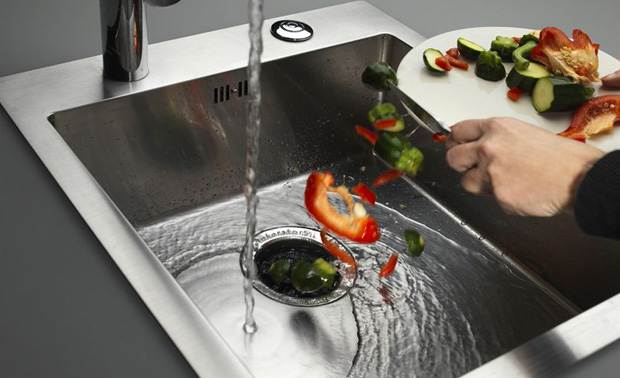
Let’s imagine that you could design a sink that could gather up and then drain away any foods that you don’t like. On your blog, tell us what you would put in your special sink. If it was me, I would put rice pudding, brussel sprouts, custard, parsnips, and seafood chowder in the sink. Yuck! What about you?

On your blog, list all of the foods that you would put in your special draining sink
food would put in the special draining sink -
vegetable

Summer learning journey week 3 day 2 activity 1.

DAY 2: The Air Up There

Activity 1: Bee Informed [4 points]


To earn full points for this activity you must type all five sentences and then fill in the blanks for each one. Post the completed sentences on your blog.
Unbee-lievable Facts about Bumblebees
  • The word ‘bumblebee’ is a compound word (bumble + bee). The word ‘bumble’ means to ___________done_______________.
  • Bumblebees can fly very quickly. They can reach ground speeds of __54_____ kilometres per hour (km/h).
  • Bumblebees are very strong! They carry up to _90___ percent of their body weight in food with them to avoid starvation.
  • Bumblebees can do more work and carry more pollen than other bees, including honeybees. In fact, they can do up to   ___50___ times as much work as a normal honeybee.
  • The number of bumblebees is declining in New Zealand due to a number of factors, including the  _____________________